




Five Reasons Online Education Works for Today's Adult Learners
Adult learners (age 25+) have consistently made up at least one-third of the postsecondary student population for several decades. A defining factor of this demographic is the diversity of the students, including parents, veterans, Baby Boomers, Gen Z, and working adults.
Each of these groups approaches higher education with a purpose driven by career advancement, career change, or increased earning potential. By the time most return to school, they’re likely balancing several other priorities at the same time, trying to decide what program aligns with their time, budget, and career goals.
Online education opportunities have expanded considerably with approximately 73.8 million online learners globally in 2024. These programs span all levels of education and are built to align with workforce expectations and support the students balancing work, family, and other responsibilities.
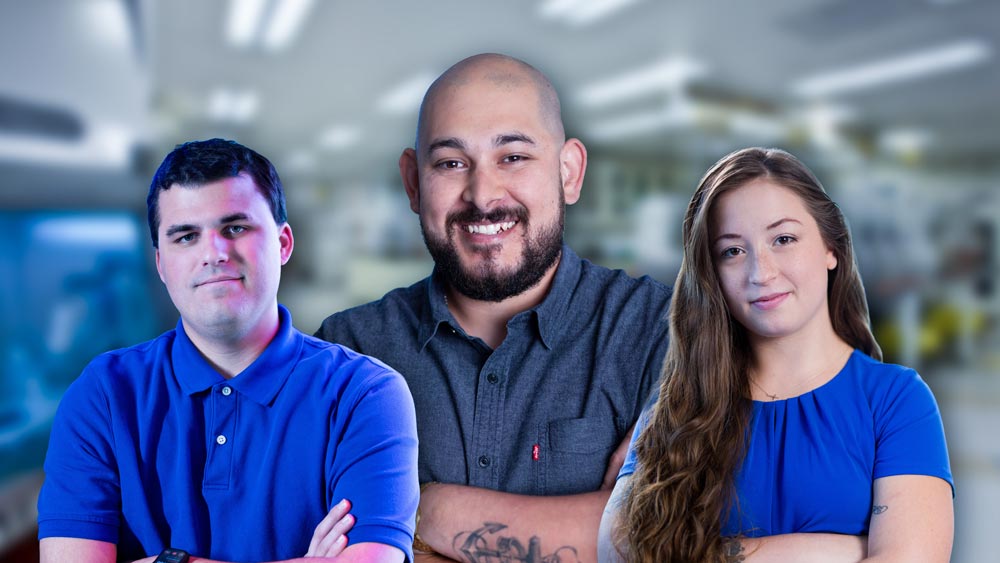
This blog explores five reasons why this path aligns with the realities of today's students, their goals, and their expectations, along with insights from ECPI University Online alumni.
Flexible Learning Options Help Students Balance Working and Earning a Degree
For many adult learners, education is one part of a much larger set of responsibilities that students must balance. Work schedules, family commitments, and financial obligations all compete for time and attention.
One of the most appealing aspects of an online degree is the increased flexibility it offers.
Online education formats are designed to fit into real life, offering flexible access to coursework within a structured schedule for class times, deadlines, professors, and classmates to keep you on track for your degree program. With access to coursework from home or wherever they are, students can stay engaged academically while continuing to meet personal and professional commitments.
Program flexibility is becoming increasingly important with 74% of students seeking an online education prefer a schedule that offers a mix of schedules instruction with course work flexibility. Online classes offer this flexibility without sacrificing access to immersive, practical learning environment, personalized instructor and academic support, and interactive presentation content.
Ben Cherry shared, “Speed was a big deal, but also the flexibility. I liked having things online, not really having a dedicated place to go or dedicated time and being able to do things kind of on my own availability in some aspect.”
Ben also noted how that flexibility supported his broader responsibilities, saying, “Being able to log on at certain times and still be able to work and have other social activities was a big thing for me.”
Online Learning Expands Access to Opportunity
Online education removes common barriers to higher education. Geographic limitations, transportation challenges, and more traditional, rigid campus schedules can prohibit capable individuals from pursuing a degree.
By offering fully online, accredited degree programs, academic institutions can improve accessibility for rural students, parents, military-affiliated students overseas, or students who need access to programs not available near them.
This expanded access matters. Approximately 25% of postsecondary students were enrolled exclusively in online education in 2023, while an additional 27% were enrolled in at least some online courses. This reflects a growing shift toward flexible learning models that better align with modern life.
Students also value having multiple ways to participate. As Samantha Jones explained, “You can go to class in person, online, or a hybrid schedule—your options are endless.”
Improved accessibility to education allows students that may not have pursued higher education to complete a degree program to further their professional future and personal lives through education.
Online Learning Builds Digital Skills for Today’s Workforce
Many adult learners say they return to college to transition into a new career path or advance in their current field of work. And in a rapidly evolving technology landscape, many employers are looking for a candidate that has a competitive edge over other applicants, including prior experience with digital collaboration tools, virtual meetings, technology-based problem solving, and more.
Instead of focusing solely on concepts and theory, programs emphasize virtual labs and interactive environments for students to engage with scenarios that reflect real workplace tasks, setting them up for a seamless transition into their career field.
This approach aligns with employer expectations and prepares graduates to not just understand their field but to actively contribute to it in the real world. Jorge Arellano described how this translated into his role, saying, “One of the things that I learned at ECPI was being able to work with different types of code, which is something that I've applied at my current position where I do have to work with at least four different languages in code.”
This alignment helps graduates move forward with confidence in their fields. As Samantha Jones shared, “Having the degree and the knowledge that ECPI has provided me has given me the ability to look at job applications now and not be scared of some of the things that are in it.”
Online Learning Can Make Going Back to School Feel More Manageable
For those who have been away from school for years, returning can be filled with uncertainty. With questions about how to balance full-time jobs, families, military service, and more, going back to school can feel like a near impossible task.
Online courses can make taking the first step back into education feel more approachable. Students can gradually find new rhythms by learning, studying, and completing assignments in a familiar environment while still regularly engaging with instructors, classmates, and support resources.
The structure of the program provides guidance, while the format offers a level of comfort and accessibility, helping dispel feelings of uncertainty or incapability.
Ben Cherry noted, “The availability and flexibility of not only the instructors, but even the other students and other colleagues was a big plus. It made it very welcoming.”
Samantha Jones shared a similar perspective on the personal connection: "My program director called me every month to make sure I was on track and still motivated to keep pushing myself to succeed and graduate on time."
Online Learning Supports Lifelong Learning, Upskilling, and Reskilling
Completing a degree is often one step in a longer professional path. Many adult learners return to school to build on existing experience, shift into new roles, or stay aligned with changing industry demands.
According to a recent report, 43% of adults who intend to enroll in education or training cite gaining skills for their current career as a primary motivation, while 21% are motivated by a desire to change careers.
Today’s workforce is quickly transforming, and employers are looking for employees that are willing to upskill, complete new professional credentials, and stay curious about their field of work. Online education provides a practical way for adult learners to keep seeking new knowledge and experience without stepping away from their life and work altogether.
Jorge Arellano reflected on the long-term impact of his online education saying, “Having the bachelor's that I earned from ECPI, it gives me a big opportunity to apply it to a lot of different industries like aerospace, the automotive industry, as well as the eyewear industry. The sky's the limit with a degree in engineering technologies.”
By going back to school, adult learners are making a strategic decision to improve their future. Online education, when designed with structure, flexibility, and career alignment supports that decision. It provides a path that respects time, builds capability, and keeps momentum moving forward.
