




Virginia Has More Than 17,000 Unfilled Nursing Jobs, but the Problem Isn’t a Lack of Applicants
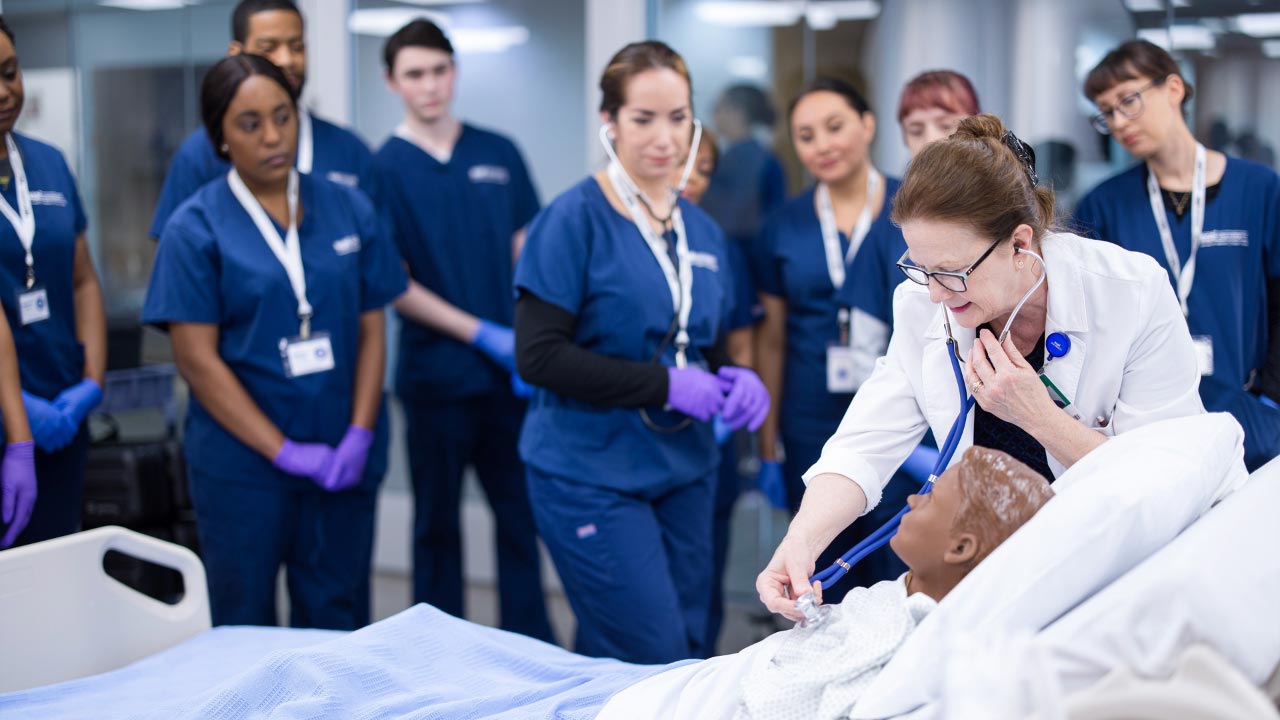
Virginia holds one of the lowest nurse-to-patient ratios in the country, but simply enrolling more nursing students to fill the gap isn’t the easy solution it appears to be.
Sam Dreyfus, Executive Vice President at ECPI University, was among the educators and workforce leaders interviewed by WHRO for a report on why the state's nursing pipeline keeps falling short. WHRO is the public media newsroom serving Hampton Roads, covering health, education, and local government across the region.
In the piece, Dreyfus points to who today's nursing students actually are, and why the traditional path into the profession leaves so many of them behind.
Read WHRO's full report on what's slowing Virginia's nursing pipeline.
What’s really behind Virginia’s nursing shortage?
Virginia has more than 17,000 unfilled registered nurse positions, and no shortage of people who want to fill them. The real problem is that traditional nursing education was not built for who those people are today. Programs still turn away thousands of qualified applicants each year for lack of faculty and clinical sites, but even the students who make it in often find that the structure works against them.
Today's nursing student is frequently older, working, and raising a family, a shift away from the college-age learner most programs were designed around. Dreyfus describes the students he typically sees: "Many of them have kids, they've gone to college before, they have stuff going on, they're busy."
The gap, then, comes down to a mismatch between nursing education and the students it’s meant to serve. Making that education more accessible is the part schools can address.
How does ECPI University make nursing education more accessible?
ECPI University builds its nursing programs around how people come into the profession today. Many students are working adults, parents, veterans, or career changers, and for them, a fixed academic calendar can put a nursing career out of reach before it starts.
Year-round classes and flexible scheduling let those students earn a credential without stepping out of their lives to do it. An Associate Degree in Nursing, for instance, can be finished in as little as 18 months. The curriculum is developed alongside regional health systems like Sentara Health and Bon Secours, so the skills students build match what real hospital settings require.
In July 2026, ECPI University laid out the case behind that model in a workforce brief, Closing Virginia's Skills Gaps in Nursing & Health Care, which argues that closing the gap depends less on adding seats than on building programs the people who fill them can realistically finish.