




Columbia’s Medical Assisting Program Organized Collection Drive to Help Local Community
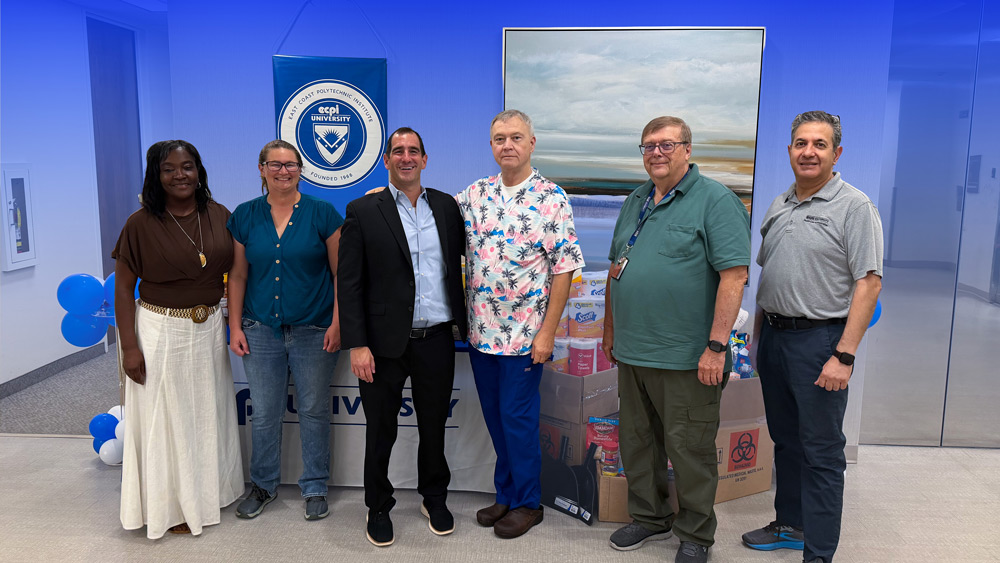
ECPI University’s Medical Assistant program in Columbia recently organized a cleaning-supply drive to support local families in need.
Under the leadership of Rosalind George, Director of the Medical Assistant program in Columbia, students and faculty collected essential household items to donate to the Columbia Dream Center, a non-profit organization that brings resources and services directly into underserved neighborhoods across the city.
The collected supplies are being handed off to Dream Center representatives to share with the families the organization serves.
What does the Columbia Dream Center do?
The Columbia Dream Center works to meet the physical and social needs of families in underserved parts of Columbia. It began its work through Adopt-A-Block, a program that brings together neighborhood events and resources with the goal of fostering community and relationship-building.
It has since expanded its focus to programs that tackle pressing issues, such as eliminating hunger, mentoring at-risk youth, teaching financial habits and life skills, and connecting families with resources for everyday needs.
The Dream Center is also working toward a permanent facility, which would let it serve more families throughout the city.
How did the Medical Assistant program support the Dream Center?
Students and faculty organized a drive to collect cleaning supplies and other essential household items, the kind of everyday products that add up quickly for families on a tight budget. Ms. George led the effort and rallied the campus around it.
“Her leadership and commitment to community engagement helped make this initiative a success while providing students with an opportunity to make a positive impact on local families,” says Ro Aguayo, Business Alliance Manager at the Columbia campus.
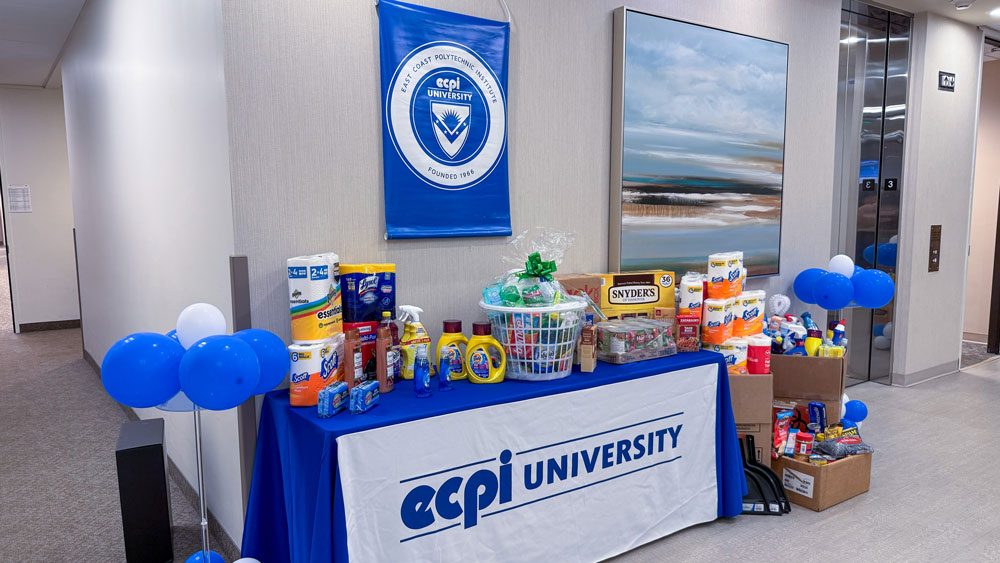
To draw participation, the group raffled a gift basket during the drive. One student walked away as the winner, a small moment of fun alongside the larger goal.
Beyond the good it does in the community, an experience like this is especially meaningful for medical assistants, who spend their careers close to patients. They are often the ones who notice a patient's individual needs and help connect them to the care they require. Community engagement like this is real, practical preparation for the work ahead.
