




How Coastal Virginia Can Become a Leader in Workforce Innovation
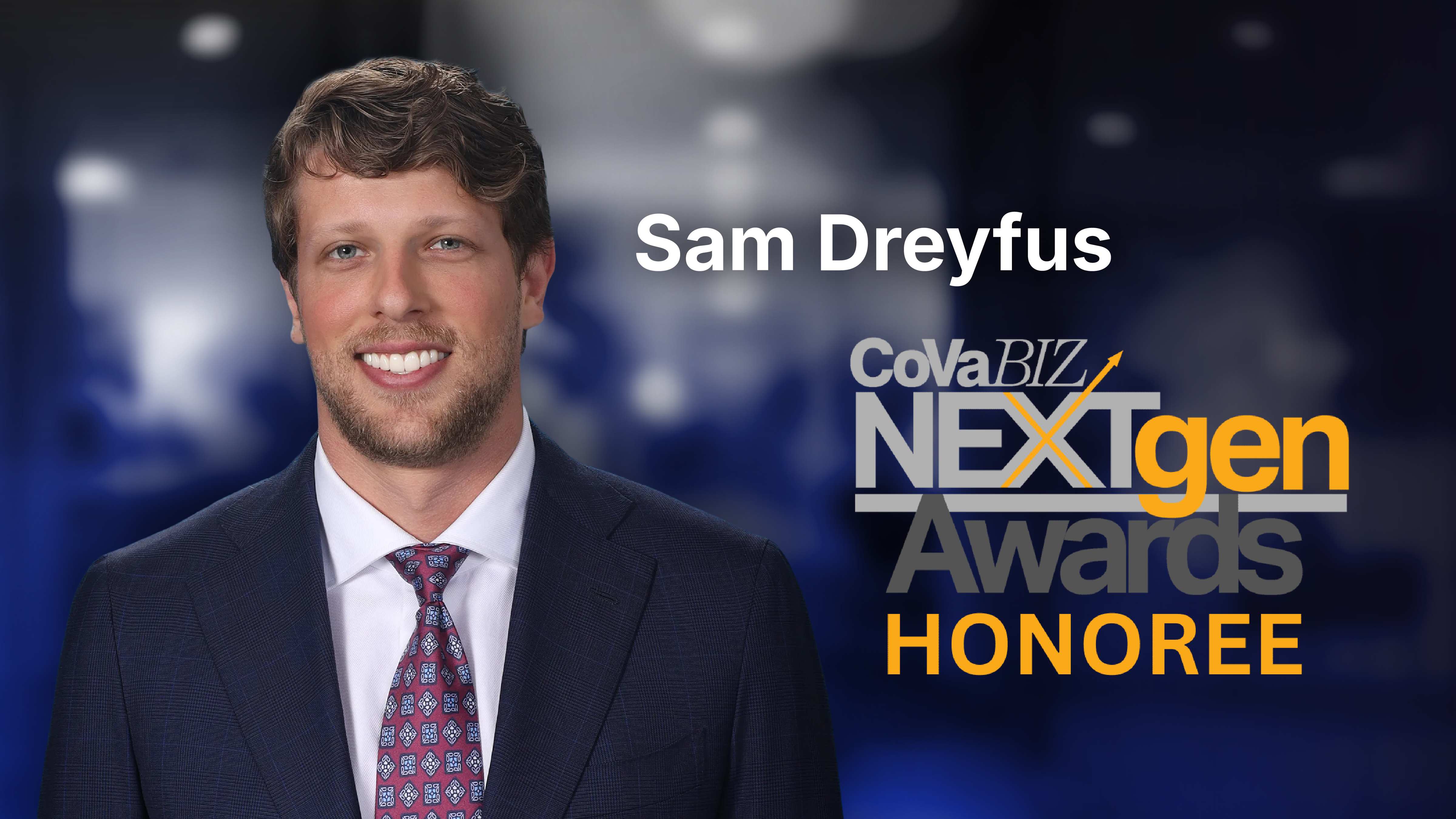
Talent shortages and fast-moving technology are pushing Coastal Virginia employers and educators to rethink how they build the region’s workforce.
Sam Dreyfus, Executive Vice President of ECPI University, is actively addressing that challenge and was featured in CoVaBIZ Magazine as part of its 2026 NextGen Awards. The list includes young professionals across Coastal Virginia who are leading in business and giving back to their communities. CoVaBIZ is a Virginia Beach-based publication that profiles the people and companies shaping the region’s business community.
Read the full list of honorees to see where Dreyfus wants to take the region’s workforce efforts and what other young leaders are building across Coastal Virginia.
What does workforce innovation mean for Coastal Virginia?
Workforce innovation means closing the gap between the people the region trains and the people employers need. For Dreyfus, that gap comes down to coordination.
“Education, business, and local government don’t always move in the same direction,” he says. “And I believe there’s real room for us to work together on talent shortages and modernization through new technology like AI.”
Dreyfus wants Coastal Virginia to become one of the country’s leading regions for workforce innovation. He sees ECPI University leading that shift while keeping students at the center, since preparing them well strengthens the entire region.
How is ECPI University preparing graduates for Coastal Virginia employers?
ECPI University prepares graduates for regional employers by building career-focused programs around what those employers say they need. University leadership meet regularly with employer partners through advisory boards and update the curriculum based on their feedback.
Students train in hands-on settings that resemble the job, using equipment similar to what they will find in the workplace. They practice through simulations, which are vital in healthcare, and collaborate with peers both in person and online.
Many courses also integrate AI, so students build the skills employers increasingly look for. They learn to use the tools in the context of their field and to judge the quality of what those tools produce. AI tutors add support outside class hours, giving students more room to practice.