




Who Will Meet America’s Growing Healthcare Needs? The Rising Role of Physician Assistants
Key Takeaways
- PA employment is projected to grow 20 percent from 2024 to 2034, reflecting increasing demand for the profession.
- Virginia’s PA workforce has more than doubled since 2015, with Hampton Roads accounting for a significant share of PAs practicing in the Commonwealth.
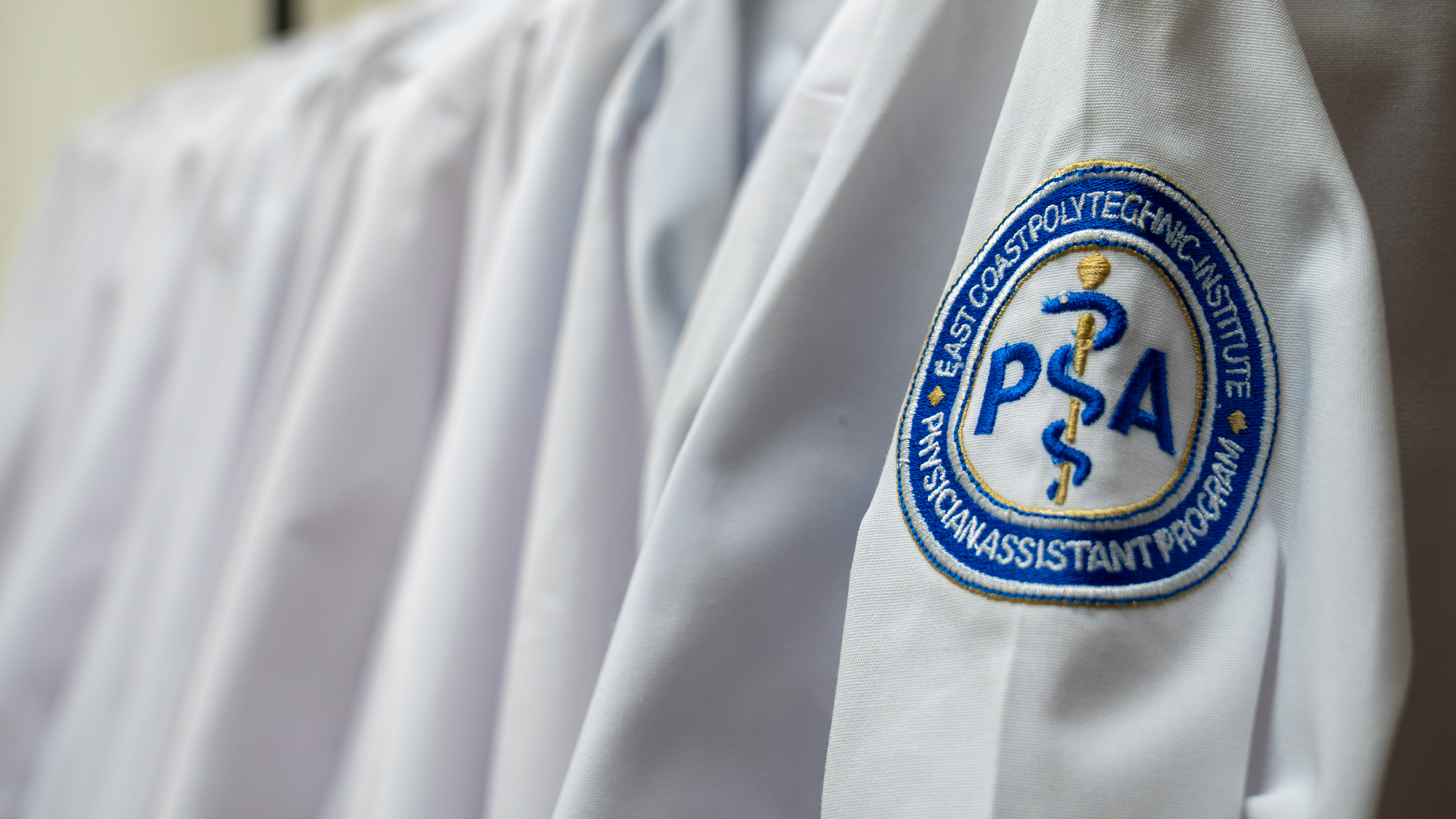
- ECPI University’s new 24-month Master of Science in Physician Assistant program adds another PA education pathway in Virginia Beach.
- Simulation, technology-enabled learning, and supervised clinical experiences help students build clinical judgment and apply their skills in realistic care settings.
- Team-based preparation, including communication and collaboration, is central to preparing future PAs for the environments where they will practice.
As the need for healthcare continues to grow, the question of who will provide that care is becoming harder to ignore. Colleges have a vital role to play in preparing the next generation of clinicians to enter a workforce already under pressure.
That pressure is bringing greater attention to the people who help deliver care across the system. Physician assistants (PAs) have become a growing presence, working alongside physicians and other healthcare professionals in settings ranging from clinics to hospitals.
Meeting the nation's growing healthcare workforce needs will require continued investment in education across the care team. As PAs take on a larger role in healthcare delivery, expanding educational opportunities can help build the clinical workforce needed to serve communities in Virginia and across the country.
Why the PA Education Pipeline Matters
Demand for physician assistants continues to grow. Employment in the profession is projected to increase 20 percent from 2024 to 2034, with an average of about 12,000 openings each year. That rate is much faster than the average for all occupations.
At the same time, workforce shortages are affecting other parts of healthcare. The nation is projected to face a physician shortage in the decade ahead, while Virginia is projected to face a shortage of about 8,020 full-time equivalent (FTE) registered nurses by 2038. Together, these projections point to a broader need to maintain strong education pipelines.
One strength of the PA profession is its flexibility. More than half of PAs report having changed specialties at least once during their careers. At a time when workforce needs extend across different parts of healthcare, that versatility gives PAs the ability to contribute in a wide range of settings.
As demand for the profession grows nationally, Virginia offers a closer look at how that workforce is developing at the state and regional level.
Virginia’s Growing PA Workforce
Virginia already has a strong PA presence. More than 6,000 physician assistants were active in the Commonwealth according to its 2025 workforce survey. That number has more than doubled since 2015.
Hampton Roads makes up a meaningful share of that total. The region had 1,033 reported primary PA work locations in 2025, representing 20 percent of the statewide total. In fact, Hampton Roads, Northern Virginia, and Central Virginia together account for more than 70 percent of PAs working in the state.
PAs in Virginia also work across a wide range of specialties. Emergency medicine and family medicine are the most common, each accounting for 14 percent, followed by orthopedics at 10 percent.
Over the past decade, the profession has become firmly established throughout the Commonwealth. Adding another education option in Hampton Roads can strengthen the local training pipeline in a region where PAs already have a strong presence.
Bringing a New Pathway to Virginia Beach
In March 2026, ECPI University prepared to launch its new Master of Science in Physician Assistant program at the Virginia Beach campus. By August, the university welcomed its first cohort.
Designed to be completed in 24 months, the program follows a year-round academic calendar, allowing students to move through the curriculum on an accelerated timeline. A national survey of PA programs found a median program length of 27 months, placing ECPI University's format at the shorter end of the reported range.
The PA program builds on ECPI University's history in nursing and health sciences, which dates back to 1992. That experience includes local healthcare workforce efforts that bring practical training into communities and help prepare future healthcare professionals.
Students begin with classroom instruction, laboratory work, and simulation before moving into supervised clinical experiences. Through rotations across multiple specialties, they apply the skills they practice in the classroom while receiving direct mentorship from experienced clinicians.
The progression reflects ECPI University’s broader approach to hands-on learning. Expanding access to PA education carries the most value when students also receive the preparation the profession demands.
Preparing for Team-Based Practice
A successful PA education is one that prepares students to apply clinical knowledge with sound judgment in any given situation. That ability develops through consistent and well-designed experience.
One approach ECPI University has incorporated into its healthcare education is simulation-based training. Simulations give students a place to work through realistic situations in a controlled environment, using clinical equipment and receiving targeted feedback before working with real patients.
That emphasis on applied learning further extends to the tools students may encounter in practice. As Christina Partin, Physician Assistant Program Director at ECPI University, explains, the PA program uses “sophisticated, technology-enabled classrooms and labs designed to mirror today’s advanced health care settings,” while integrating “advanced simulation” and “the proper and safe use of AI.”
Among the advanced equipment available are Anatomage tables, which use detailed 3D models of the human body to give students an interactive way to study anatomy and see how different parts of the body connect.
PA practice, like most roles in healthcare, is also highly collaborative, which makes communication an important part of preparation. ECPI University’s cohort model allows students to work with the same group of peers throughout the program, helping them build habits around clear communication and shared responsibility.
Those skills continue to develop during supervised clinicals. Working with patients and experienced clinicians requires students to collaborate closely and adjust as circumstances change.
Together, these experiences give students opportunities to develop and strengthen the skills needed to contribute effectively in team-based healthcare.
Continuing the Healthcare Education Mission
The first PA cohort gives ECPI University a chance to extend its healthcare education into a profession seeing growth in Virginia and nationally. It also marks a new chapter for the university’s health sciences programs.
The program’s focus remains on preparing students for the realities of PA practice and the collaborative environments where they will work. Maintaining that focus will be important as future cohorts move through the program.
By adding PA education in Virginia Beach, ECPI University is contributing another pathway for students preparing to serve patients and communities across the Hampton Roads region and beyond.
