




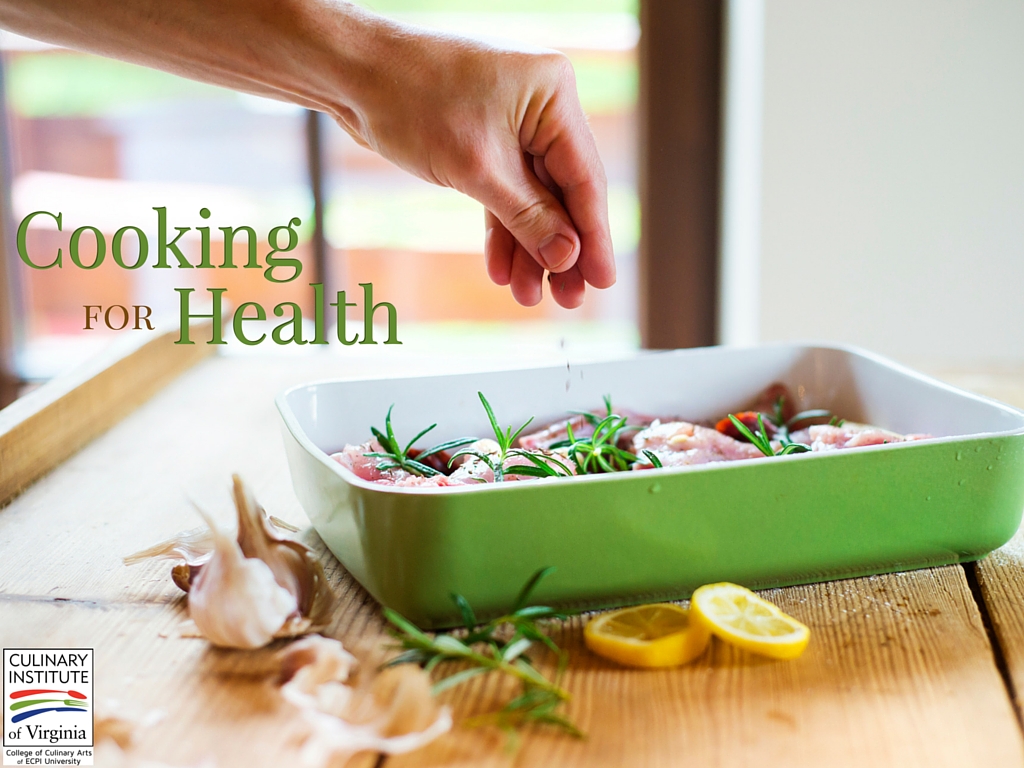
Cooking for Health: The Guiding Principles of Applied Nutrition
Key Takeaways
Applied nutrition provides a framework for preparing healthful food by balancing diet components while maintaining palatability and taste. The approach combines nutritional science with culinary expertise, extending to education, hospitality, and professional consultation in food preparation.
- Balance diet components to avoid meals that taste good but lack essential vitamins and minerals
- View nutritional cooking as both/and rather than either/or, modifying recipes or cooking healthy ingredients creatively
- Extend nutritional expertise beyond cooking to education and consultation, helping clients implement healthy recipes
- Apply principles across institutional settings from hospitals to hotels, restaurants, and private food service
- Focus on producing food that is simultaneously nutritious, delicious, and aligned with individual health goals
Get What Your Body Needs
Perhaps the easiest way to think about nutrition is balancing the components of your diet. It is too easy to find yourself eating meals that taste good and are easy to make, but lack some of the vitamins or minerals that your body needs. Applied nutrition focuses on understanding all the components of our food and how those nutrients work together to keep our bodies at the peak of health.
But applied nutrition does not simply focus on getting your share of fruits and vegetables; it is just as important to minimize the negative aspects of a diet. One has to look out for too many bad fats, an overabundance of processed sugars, and other harmful elements in food. Beyond this, you should take time to look into the sources of your food. Was this food grown in a way that could potentially bring further harm to the people eating it? Understanding the implications of pesticides and other farming practices is at the core of ensuring healthful food.
Make Sure it Tastes Good
A perfect understanding of the theory behind nutrition has little benefit unless it can be applied to producing food that tastes good. Because of this, you must consider how to produce food that is not only nutritious, but tastes good. This skill in cooking can be applied in two ways. Some people will lean more towards exploring ways to modify existing, less-than-healthy recipes; while others will put their efforts into finding ways to cook healthy ingredients into delicious meals. In either case, it is important not to think of the choice as an either/or, but rather a both/and. Different clients with different needs will require a variety of approaches.
The component of producing good food does not stop at personally knowing how to cook the food, but will often branch out into an educational aspect. Clients may come to you and need you to help as a consultant. From here, being able to craft good recipes combines with reaching out to your clients and guiding them through the process of bringing these recipes to life at home. Even further, some clients may need help making changes to their grocery shopping habits, bringing a greater degree of healthful options into their homes and diets.
Make It Right for You
When practicing applied nutrition, you should consider the varieties of dietary needs that clients may have. These can range from more visible concerns, like avoiding allergies or other sensitivities to working with health care professionals to craft a meal plan that meets the needs of various clients.
A great example of this might be to think of a patient whose health-care plan requires them to cut down on their sodium intake. Applied nutrition gives you the perfect tools to help them not only make the changes their health requires, but understand how they could lower their salt intake, while still eating satisfying meals. This could range from purchasing low-sodium options for products like soy sauce or broth, to avoiding more processed foods entirely, to rules that ensure every shopping trip brings home good, healthful choices.
While it is easy to consider applied nutrition from a medical or institutional perspective, the field can extend widely beyond that. Many hotels or restaurants will wish to ensure that the food they serve is healthy, not only to bring in more customers; but to keep those customers healthy and enjoying the food that they are eating.
Begin Your Career in Applied Nutrition!
Are you interested in a career in applied nutrition? Contact ECPI University today for more information about earning your Associate of Applied Science in Culinary Arts and Applied Nutrition. With our year-round schedule and accelerated courses, you could earn your degree in as little as 15 months! Contact ECPI today—it could be the Best Decision You Ever Make.
Congratulations to my granddaughter, Aalure Cooke for being accepted into ECPI CULINARY SCHOOL Today! Congrats to Chef Cook!
— Elsie Cooke (@TeeBronze) November 3, 2015
DISCLAIMER – ECPI University makes no claim, warranty, or guarantee as to actual employability or earning potential to current, past or future students or graduates of any educational program we offer. The ECPI University website is published for informational purposes only. Every effort is made to ensure the accuracy of information contained on the ECPI.edu domain; however, no warranty of accuracy is made. No contractual rights, either expressed or implied, are created by its content.
Gainful Employment Information – Culinary Nutrition - Associate’s
For more information about ECPI University or any of our programs click here: http://www.ecpi.edu/ or http://ow.ly/Ca1ya.
