




PTA May Be One of Healthcare’s Most Misunderstood Careers
The physical therapist assistant is one of the most in-demand roles in allied health, and one of the least talked about. Ask most people to describe what a PTA does, and you may get a vague answer about helping physical therapists. That answer isn't wrong, but it leaves out almost everything that makes the career worth understanding.
The gap between what PTAs actually do and what the public understands about them has real consequences. Students who would thrive in this field never consider it.
Healthcare systems that urgently need these practitioners struggle to fill positions. A career that combines scientific rigor, hands-on patient care, and genuine human connection stays invisible to the people who would be most drawn to it.
For students, employers, and patients alike, this must change.
What does a PTA actually do?
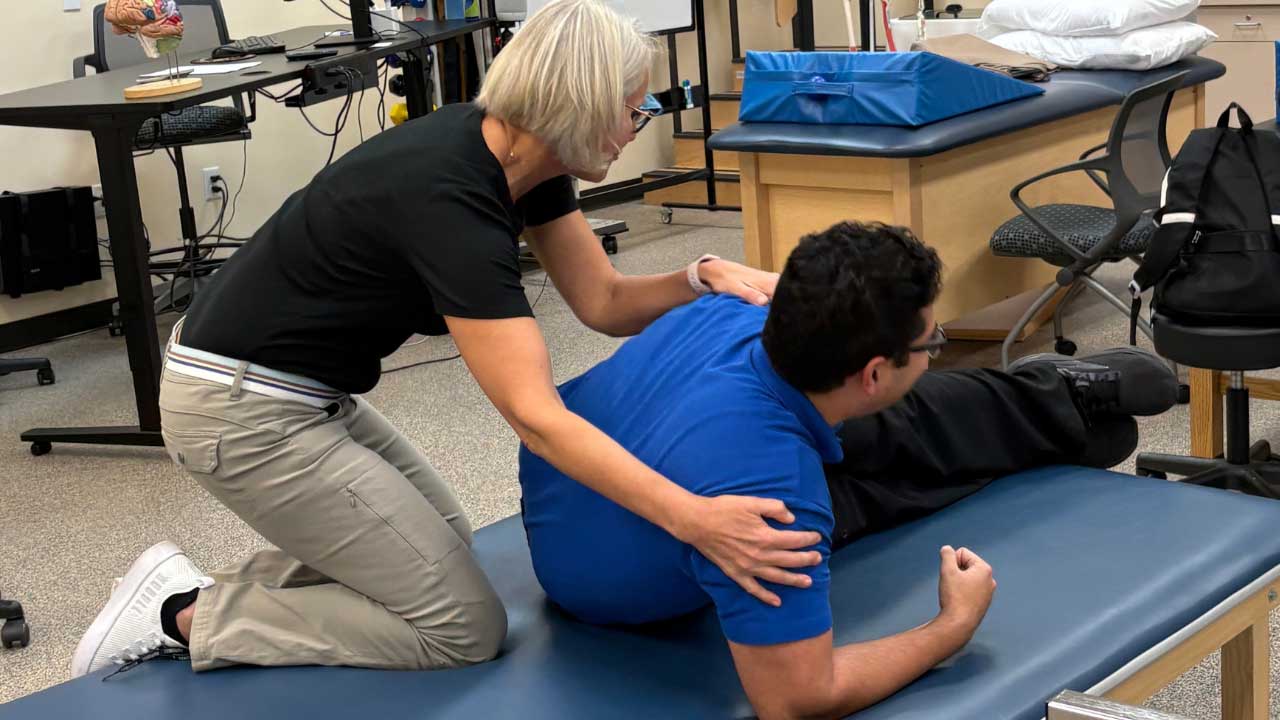
PTAs are licensed healthcare professionals who work alongside physical therapists to help patients recover from injuries, surgeries, strokes, and chronic conditions. In practice, this means working one-on-one with patients to regain their mobility. In reality, the ultimate goal is regaining their independence.
The settings where PTAs work are as varied as the patients they serve. Outpatient orthopedic clinics are the most familiar, but PTAs also work in acute care hospitals, inpatient rehabilitation units, nursing homes, school systems, and sports medicine programs.
Strong PTA programs are designed to expose students to that range of environments early. Students at ECPI University’s Orlando campus engage with an “out-and-about” model that pushes learning beyond the classroom and into real clinical environments.
There have been some memorable and remarkable experiences:
- Practicing aquatic therapy techniques in a 90-degree therapy pool
- Observing pediatric therapy conducted on horseback, known as hippotherapy
- Attending an amputee running clinic to see adaptive technology in action
- Completing clinical experiences at local clinics and hospitals like Orlando Health
- Volunteering at local high schools conducting sports physical screenings
- Participating in wheelchair roundups through Joni and Friends to help refurbish equipment for disabled communities around the world
While these experiences are often coordinated, students are also encouraged to post or seek out their own opportunities that align with their career goals. The versatility of the role is one of its most underappreciated qualities.

PT and PTA are not the same
Physical therapy and physical therapist assisting are closely connected professions, but they are not the same role. Because the public is far more familiar with physical therapists, PTAs are often viewed through that lens rather than understood as a distinct profession with its own responsibilities and career path.
Part of that confusion comes from the fact that the Doctor of Physical Therapy credential is far more widely recognized. Earning a DPT typically requires about seven years of education. In contrast, PTA programs operate on a much shorter timeline. This can lead to misunderstandings about what students are choosing when they enter the field.
For many students, the decision is entirely intentional. They want to work directly with patients and enter the workforce sooner. In that context, completing a PTA program in 18 months offers students a much more accessible route into direct patient care than spending seven years pursuing a DPT.
Who tends to choose the PTA path?
Many students in ECPI’s PTA program are making a second career move. They tend to bring prior professional lives in fields like education, engineering, and the military, along with a clarity of purpose that shapes how seriously they engage with the work.
Take Amie Wilson, a former biology teacher turned stay-at-home mom.
A few years ago, her husband had a stroke in his early 40s. What followed was frightening, but the rehabilitation experience he received, both in the hospital and in outpatient care, left a real impression on her.
“I looked at what the therapists were doing with him and the way they included our family in his rehab,” she said. "It was just a real silver lining among a really scary time for us."
What she observed in those sessions felt surprisingly familiar. The therapists were teaching patients to take an active role in their own recovery, something that resonated with her years in the classroom.
"They're essentially educators," she said. "It really just combined everything that I already had experience in. The light bulb went off."
She had expected to wait until her kids were in college before going back to school, and most programs she looked into would have required that. But ECPI's schedule allowed her to still manage the obligations she had at home.
As Amie told herself, "I can do anything for 18 months. This is temporary. Just keep chugging."
Is there actually a demand for PTAs in the workforce?
The American Physical Therapy Association projects a three percent shortfall in physical therapy professionals through 2037, and PTAs are part of the answer to that gap.
At the Orlando campus, that demand is visible well before students graduate. Employers regularly reach out asking whether there is a graduate available or whether the program knows someone looking for a position. Local healthcare partners also participate directly in the program through mock interviews, lab instruction, and clinical training experiences.
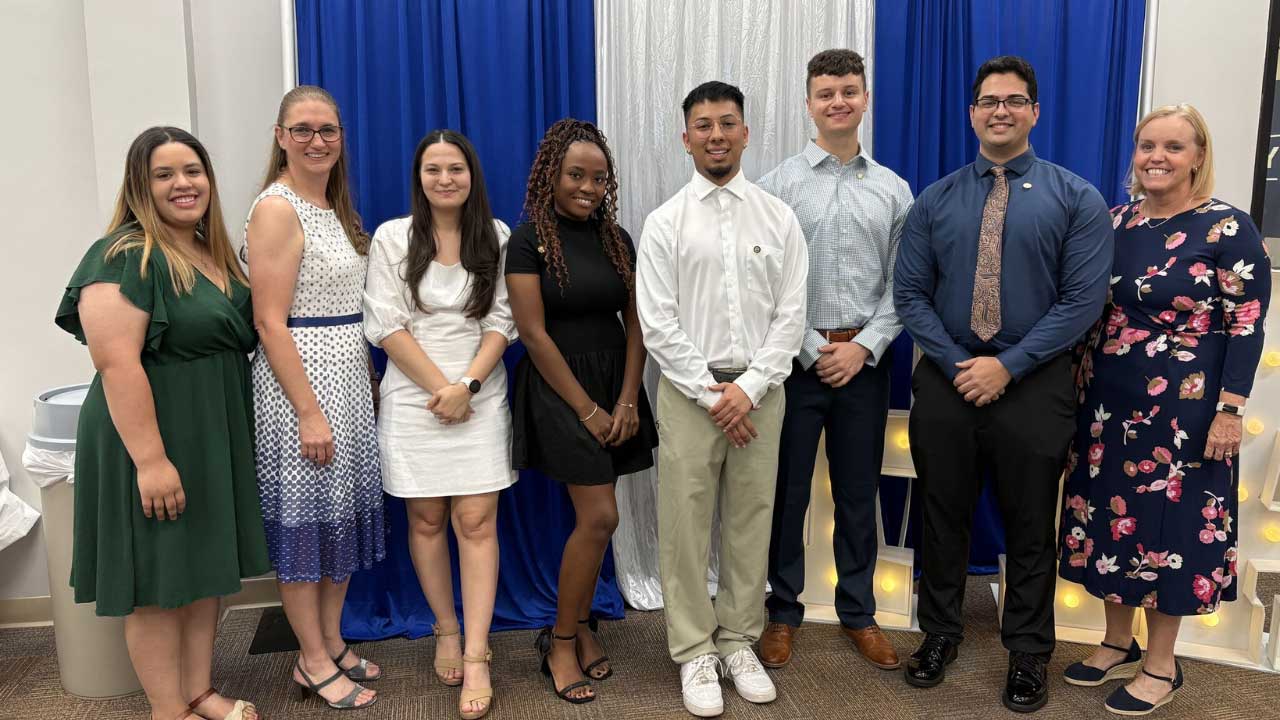
That connection to the workforce has already started creating a small but growing professional network around the program. One graduate from the first cohort now works at John Knox, a skilled nursing partner site, where he serves as a clinical instructor for current students and has hired other graduates into the facility.
That kind of full-circle outcome is becoming part of the program’s identity, with graduates returning to support the next generation of students entering the field. Through these efforts, ECPI’s PTA program currently maintains a 100% placement rate.
Bringing PTA into view
Despite the profession’s strong outlook, PTA remains underrecognized within the broader healthcare conversation. Increasing that visibility starts with awareness.
The opportunity is there, and so is the need. But many of the candidates best suited to the work have never encountered it as a real option.
At the Orlando campus, part of the strategy has been simple: bring more people into direct contact with the profession itself. Visibility is being built gradually through long-term relationships between students, graduates, employers, and clinical partners.
It is a slow build, but a steady one. The relationships are there, the outcomes are real, and the momentum is growing. The conversation just needs to reach further.
About the Author: Katherine Nedved, PT, DPT, ATC
Katherine Nedved is the Director of Clinical Education for the Physical Therapist Assistant program at ECPI University. She is a licensed physical therapist with more than 20 years of clinical experience in pelvic health and outpatient orthopedics. She is passionate about healthcare education and student mentorship and is dedicated to preparing future clinicians to lead with skill, empathy, and professionalism.
